
Explainable AI for Cybersecurity Receives International Best Paper Award
| IT Security | Awards | Marine Perception | Osnabrück / Oldenburg
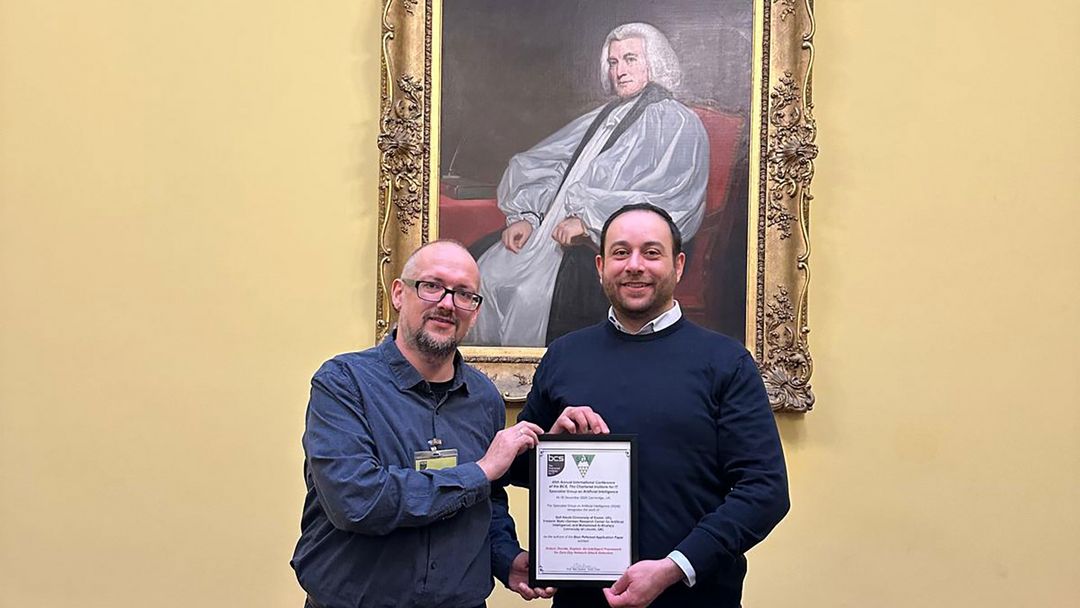
The international conference took place from December 16 to 18, 2025, in Cambridge (United Kingdom) and is regarded as one of the established European forums for applied research in Artificial Intelligence. It is organized by the Specialist Group on Artificial Intelligence (SGAI) of the British Computer Society and annually brings together researchers from academia and industry.
Focus on Zero-Day Attacks and Explainable AI
The award-winning paper addresses a central challenge in modern IT security: the early detection of zero-day network attacks, attacks for which no known signatures or defense mechanisms yet exist. The presented framework combines high-performance AI-based detection methods with transparent decision-making and explanation mechanisms (Explainable AI, XAI).
In doing so, the work contributes to making AI systems not only powerful but also comprehensible and trustworthy, an essential factor for their deployment in real-world, safety-critical environments.

“In safety-critical applications, it is not sufficient for AI systems to make accurate predictions, their decisions must also be transparent and explainable. Our work demonstrates how high-performance network attack detection can be combined with interpretable AI methods, thereby creating real added value for real-world security systems.”
Embedded in a Strong Research Environment
The conference in Cambridge not only provided the stage for the award-winning paper but also represents the breadth and relevance of applied AI research overall. In recent years, researchers from German universities and research institutions—including those affiliated with Jade University of Applied Sciences—have presented numerous contributions there, covering topics such as explainable AI, privacy-oriented AI systems, medical applications, environmental and maritime AI, and intelligent assistance systems.
This thematic diversity underscores the importance of the SGAI conference as a platform for international exchange across disciplines and application areas within Artificial Intelligence.
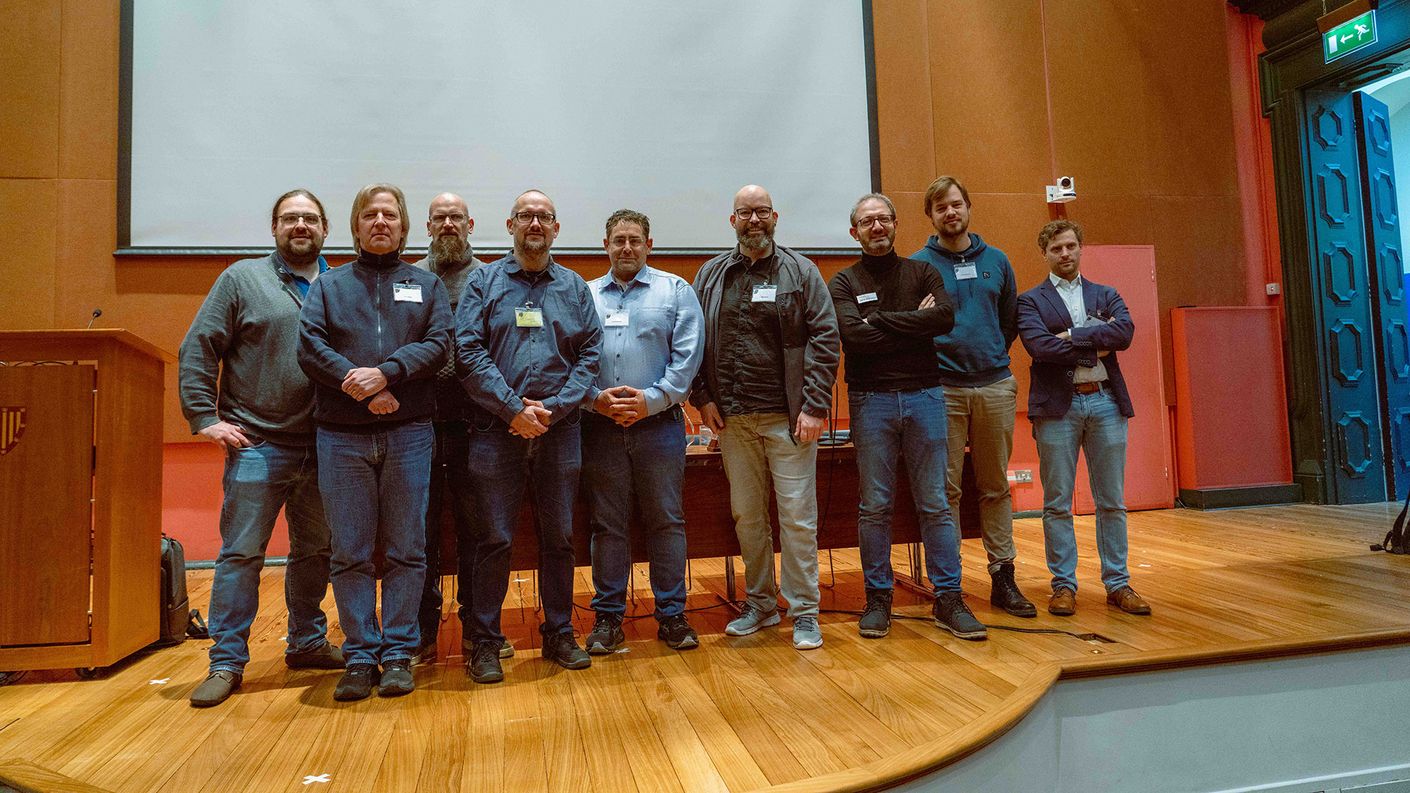
International Collaboration
The research was conducted in close cooperation with international partners:
- Saif Alzubi (first author), University of Exeter
- M. Al-Khafajiy, University of Lincoln
We would like to thank the SGAI conference committee for this recognition as well as all participating researchers for their excellent collaboration. The award highlights the relevance of joint research at the intersection of Artificial Intelligence and cybersecurity—a field of growing importance for business, public administration, and society.
Contact:
Dr. Frederic Theodor Stahl
- Frederic_Theodor.Stahl@dfki.de
- Phone: +49 441 99833 4713