
AI-based process optimization in the emergency room
APONA – Improving clinical processes
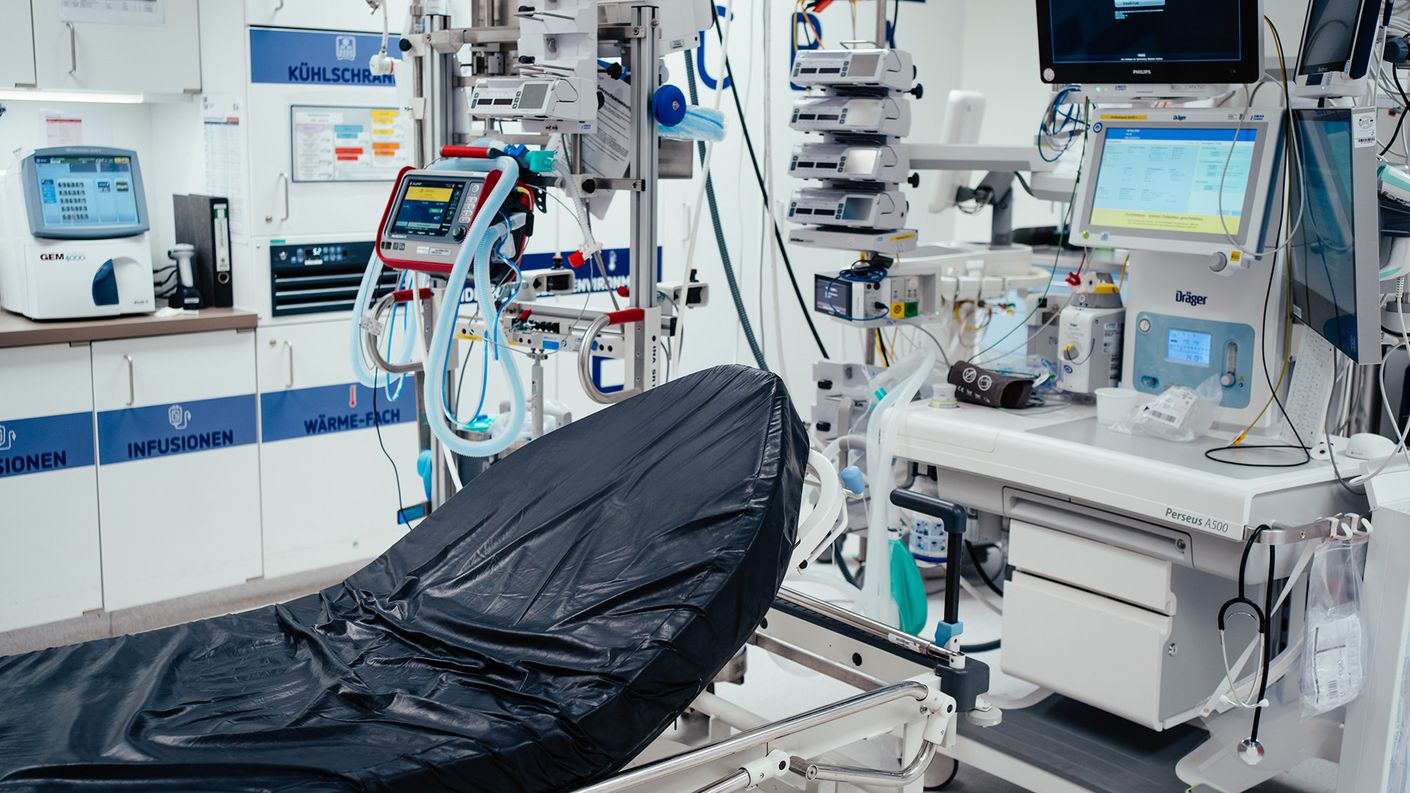 © DFKI / Jimmy Liu
The DFKI laboratory in Lübeck is collaborating with the University Medical Center Schleswig-Holstein (UKSH) and singularIT GmbH to develop the APONA assistance system, which uses advanced AI to optimize clinical processes. The focus is on overcoming the so-called exit block, where a lack of bed capacity delays the discharge of patients from the emergency room. Precise prediction models enable bottlenecks to be identified early and capacities to be planned in advance.
APONA uses AI models based on extensive clinical process data and evaluates real-time information during ongoing operations. Already during administrative admission and initial assessment, the system predicts the expected bed requirements, the responsible specialist department, the target ward, and the length of stay. This allows bed management to coordinate capacities even before medical diagnostics are complete.
A Lego hospital serves as a vivid model to visualize how AI-supported process control works, from the first patient contact to discharge from the emergency room. At the same time, a software prototype is already being tested under real conditions at the UKSH. The goal is to noticeably reduce the workload for specialist staff and accelerate processes to improve patient care.
Back to: DFKI at Hannover Messe 2026
Contact
DFKI Research Department
AI in Medical Image and Signal Processing
Dr. rer. nat. Mattis Hartwig
Mattis.Hartwig@dfki.de
Dr. rer. nat. Robert Simon Schiff
Robert_Simon.Schiff@dfki.de